The autumn border
Soft autumn vs true autumn: chroma decides
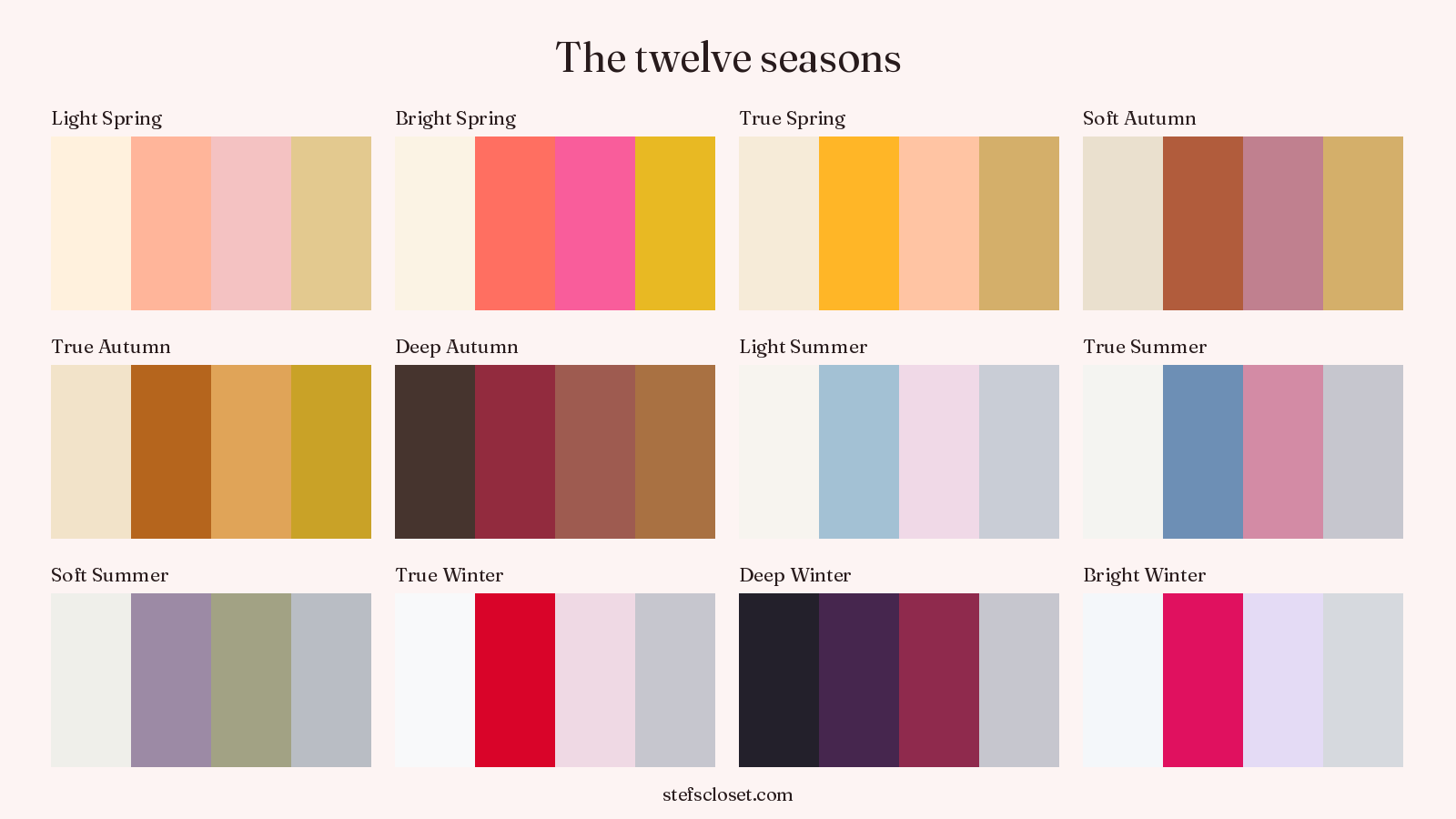
Two warm palettes, one muted and one holding more color. See where the line falls, then test it with a knit you already own.
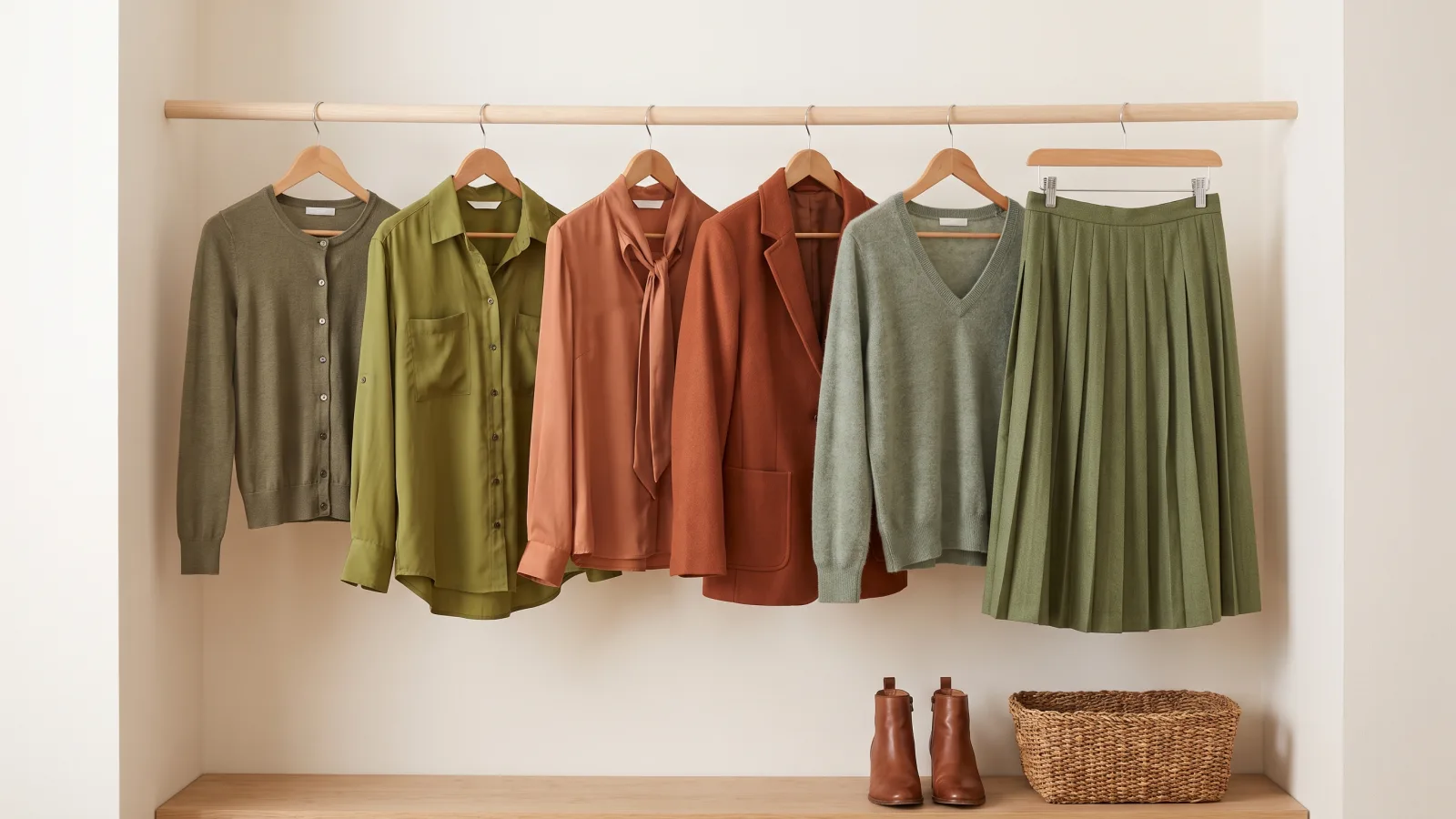
Both Soft Autumn and True Autumn are warm, so warmth cannot tell them apart. Chroma, meaning how muted or how clear the color looks, decides the result because Soft Autumn is muted and True Autumn holds more color.
The site's rules were run across every possible input combination on September 17, 2026. Neither season appeared from cool coloring. Their shared warmth puts both in the Autumn part of the 12-season system, but it cannot settle which Autumn you are.
Muted on one side, fuller on the other.
Both sets sit at about the same darkness, so the amount of color is the only thing that changes between them. Olive appears on both sides, in two different versions.
Soft Autumn
True Autumn
Colors from the Stef's Closet season palettes. Compare actual fabrics in daylight to see which ones you like near your face.
Why does chroma decide?
Soft Autumn came back only from muted coloring. True Autumn appeared only at balanced chroma. Balanced here means the coloring does not read strongly muted or especially clear.
The run included every hair and eye color combination. Each depth was covered. So was every contrast level. Chroma was the one measure that made a clean split between these two seasons.
The question the free color analysis settles here is how muted or how clear your coloring reads. It asks that as its own question instead of reading it off your hair.
Can contrast tell Soft Autumn from True Autumn?
No. Contrast means how far apart your hair and skin sit in lightness. Low contrast can reach either season. The same is true of medium or high contrast.
Palette Hunt makes contrast one of its three key characteristics for each season. Checked September 17, 2026, it tags True Autumn "Medium to High Contrast" and describes Soft Autumn as low contrast. That is the wrong measure for this border because all three contrast levels reached both seasons in the full run.
Its other labels lean on words that appear on both sides. The page calls Soft Autumn "Earthy & Rich" and True Autumn "Bold & Earthy." Both descriptions use earthy. Rich also appears on both sides of the page.
The first-ranking page, Soul of Color, gets closer by naming the "primary characteristic." Its contrast check comes fourth in a set of five tests instead of leading the comparison. That page names softness as Soft Autumn's primary trait and warmth as True Autumn's, so it tests both. The site's rules go further because contrast does no work here at all.
Contrast does matter elsewhere in the rules. It helps with clear seasons and with deep ones. It is still a real measure. It is the wrong one for this choice.
Depth is not completely silent. Soft Autumn can appear at light or medium depth, while True Autumn appears only at medium depth. A warm woman whose overall coloring reads light can be Soft Autumn and cannot be True Autumn.
Two warm faces, and the difference is not the warmth.
Both examples read warm at a glance. Look instead at how blended or how clear the whole face is, because that is the thing the two palettes answer.

Warm and softly blended.
- Warm brown hair and muted hazel eyes.
- The colors in her features blend gently.
That warm, soft mix is the idea behind Soft Autumn. Try Terracotta and Sage.
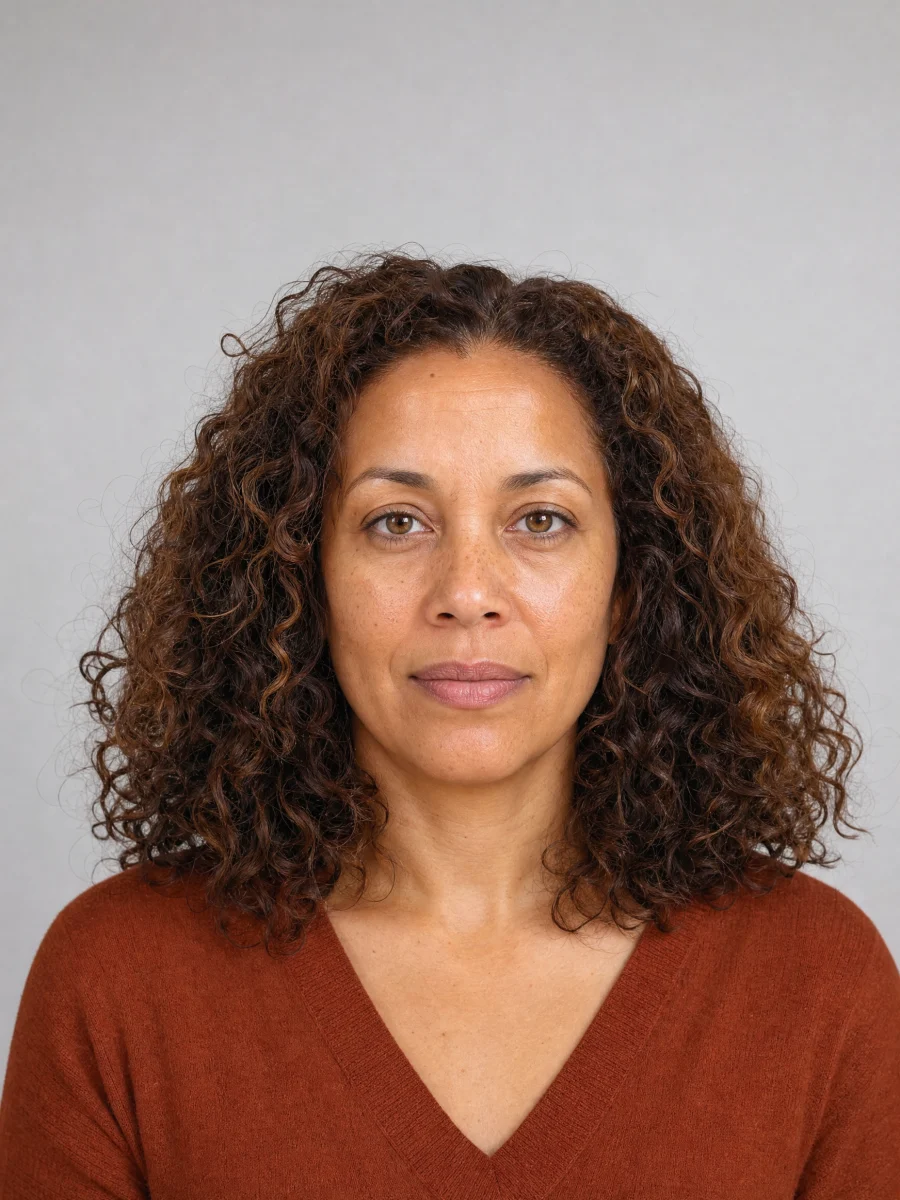
Warm, and holding more color.
- Warm brown curly hair with copper lights in it.
- Her eyes and skin read warm and fairly clear.
True Autumn stays warm and keeps more color. Try Rust and Olive.
These are example color patterns. A season includes many skin tones and eye colors. You do not need to look like the example. Hair and eyes give clues; compare fabrics near your face before choosing a season.
What does Soft Autumn look like?
Soft Autumn coloring looks warm and muted. The warmth may be easy to see, but the colors that suit you keep some gray in them. In richer warm shades, you may see the cloth before you see your face.
Warm color, with gray left in it.
Three ordinary pieces in the Soft Autumn colors named underneath. The fabric sits near those palette colors rather than matching them exactly.
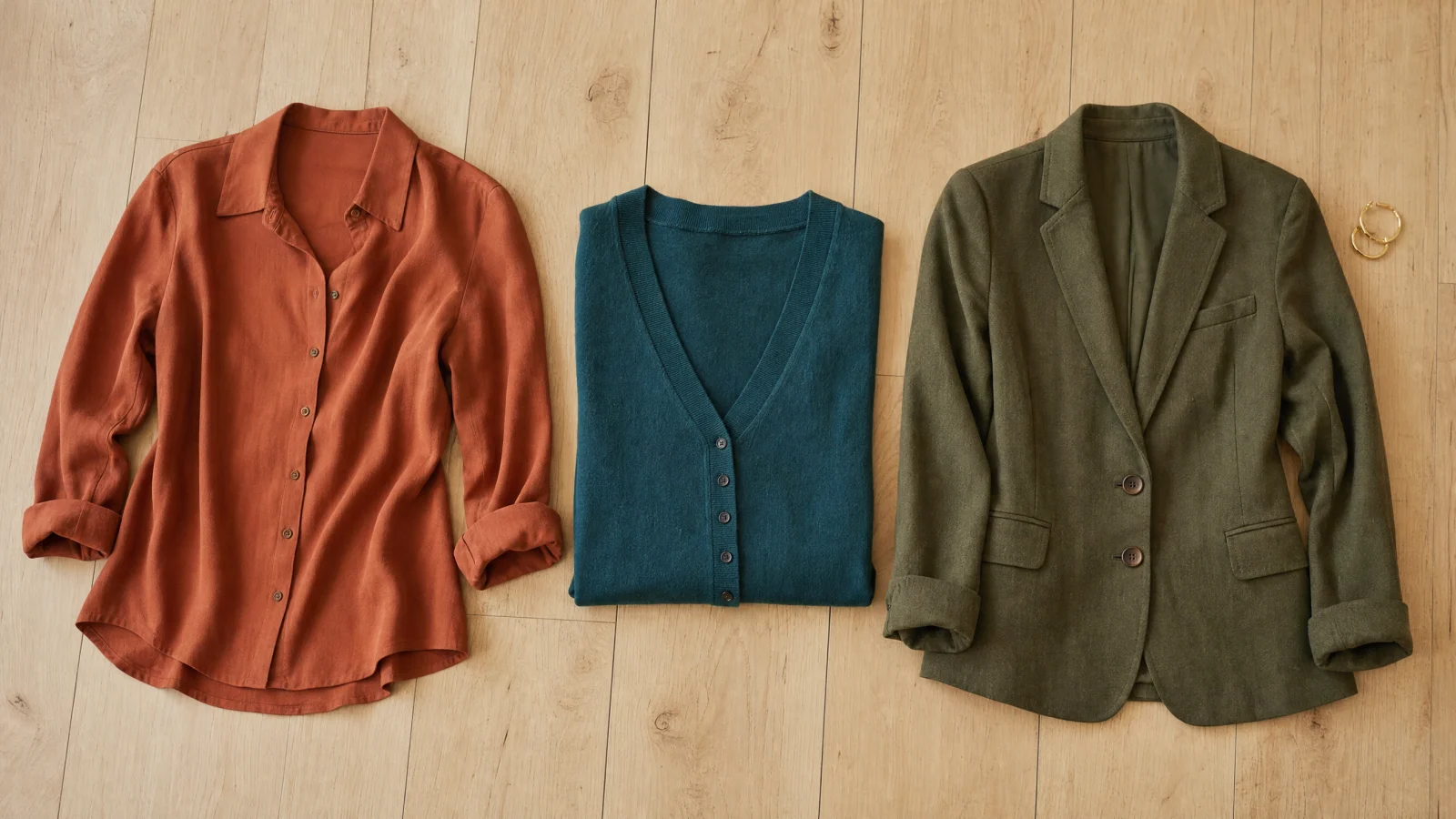
The Soft Autumn guide shows all twelve colors together. Its Olive is a quiet yellow-green rather than a fresh green. Camel stays warm without looking loud.
Soft Summer is the other close choice. On the Soft Autumn and Soft Summer border, warmth decides instead because both seasons already share muted coloring.
What does True Autumn look like?
True Autumn coloring is warm with more color in it. The chroma is balanced rather than muted. You may see your skin look clearer beside a fuller olive. Beside a grayer version, your face may look dull.
The same warmth, holding more color.
The same kind of pieces in True Autumn colors. Hold one beside a Soft Autumn piece and the extra color becomes easy to see.
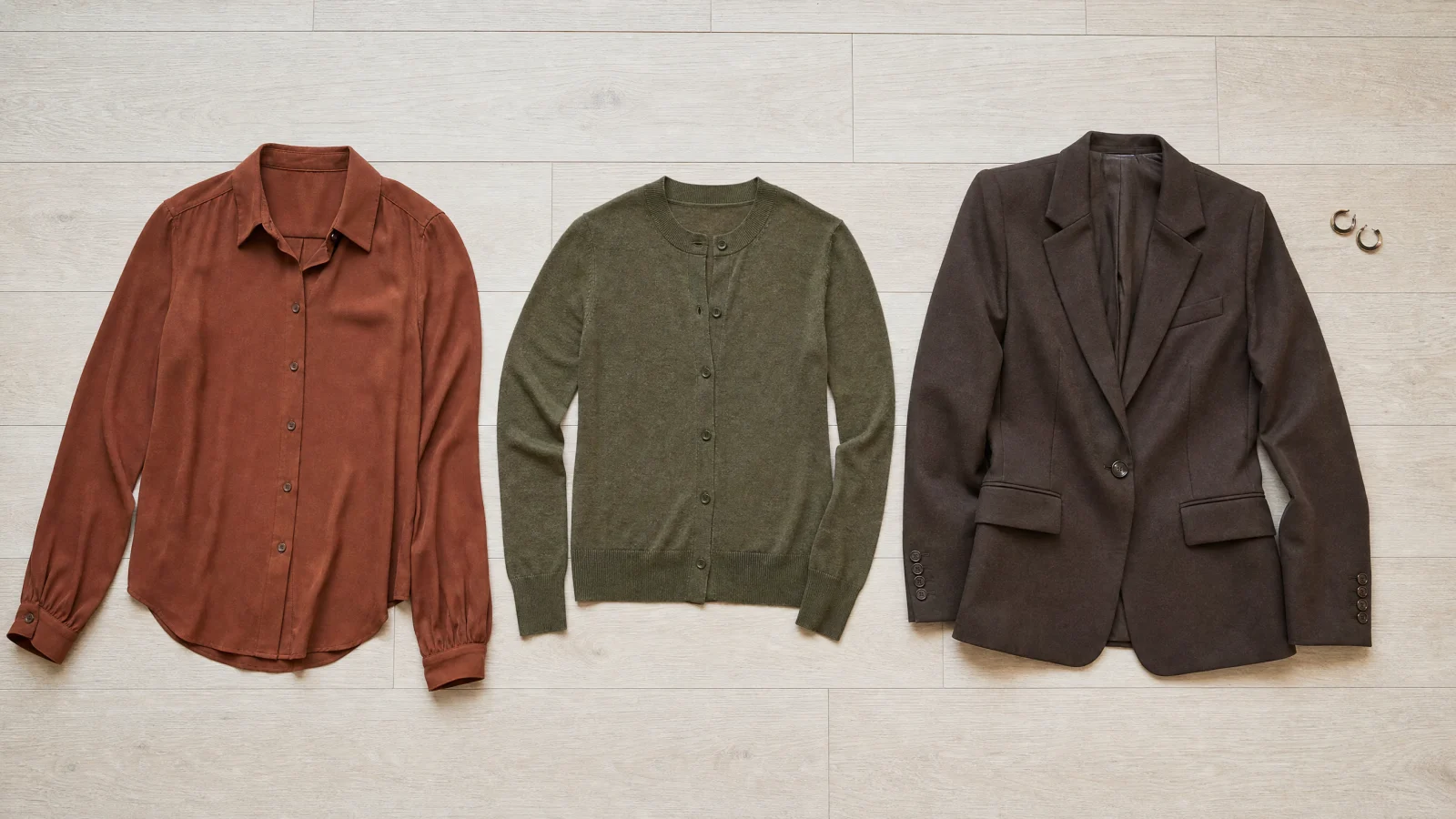
The True Autumn guide shows its complete twelve-color set. True Autumn stays at medium depth in the site's rules. A shade does not need to be very dark to belong here.
This muted-versus-clear question also appears on the cool side. The True Summer and Soft Summer comparison uses cool colors, but it asks you to judge the same kind of difference.
Why do some guides leave this unclear?
The long Soft Autumn guide from The Concept Wardrobe never describes what a True Autumn woman's coloring looks like. Its comment thread shows the result. As checked September 17, 2026, the page had 29 comments.
One reader asks whether medium-brown eyes can fit Soft Autumn because she is trying to choose between these two seasons. Another reader answers her and opens with, "I'm definitely not an expert but I think so!" The page gives plenty of Soft Autumn detail, but not the direct comparison that reader needed.
Why are the two Olive colors a better test?
Both palettes have a color named Olive. The two Olives sit at almost the same lightness, but the True Autumn version holds roughly twice as much color. This lets you test chroma without making one swatch much darker than the other.
| Season | Olive | Color held | Lightness |
|---|---|---|---|
| Soft Autumn | #6E6B3E | 28% | 34% |
| True Autumn | #6B8E23 | 60% | 35% |
They are one point apart in lightness. The darkness is almost held still, so depth cannot explain what you see. Contrast cannot explain it either because the lightness difference between your hair and skin has not changed.
Their shared Camel makes the shared warmth easy to see. Soft Autumn Camel is #C39A6B; True Autumn Camel is #C19A6B. They are only two color units apart and read as the same color.
Not one of the five articles and forum threads in this query's top ten publishes a single hex value. The palette cards here publish twelve per season, so you can match the measured Olive pair instead of guessing from a color name.
How can I test the two Olives at home?
Hold the two Olives against your face at a window. Keep their depth as close as you can to the hex values above. You are changing how much color the olive holds, not how dark it is.
Same light. Same spot. Change the fabric.
Face a window with soft daylight. Compare one fabric at a time, keeping everything else the same.
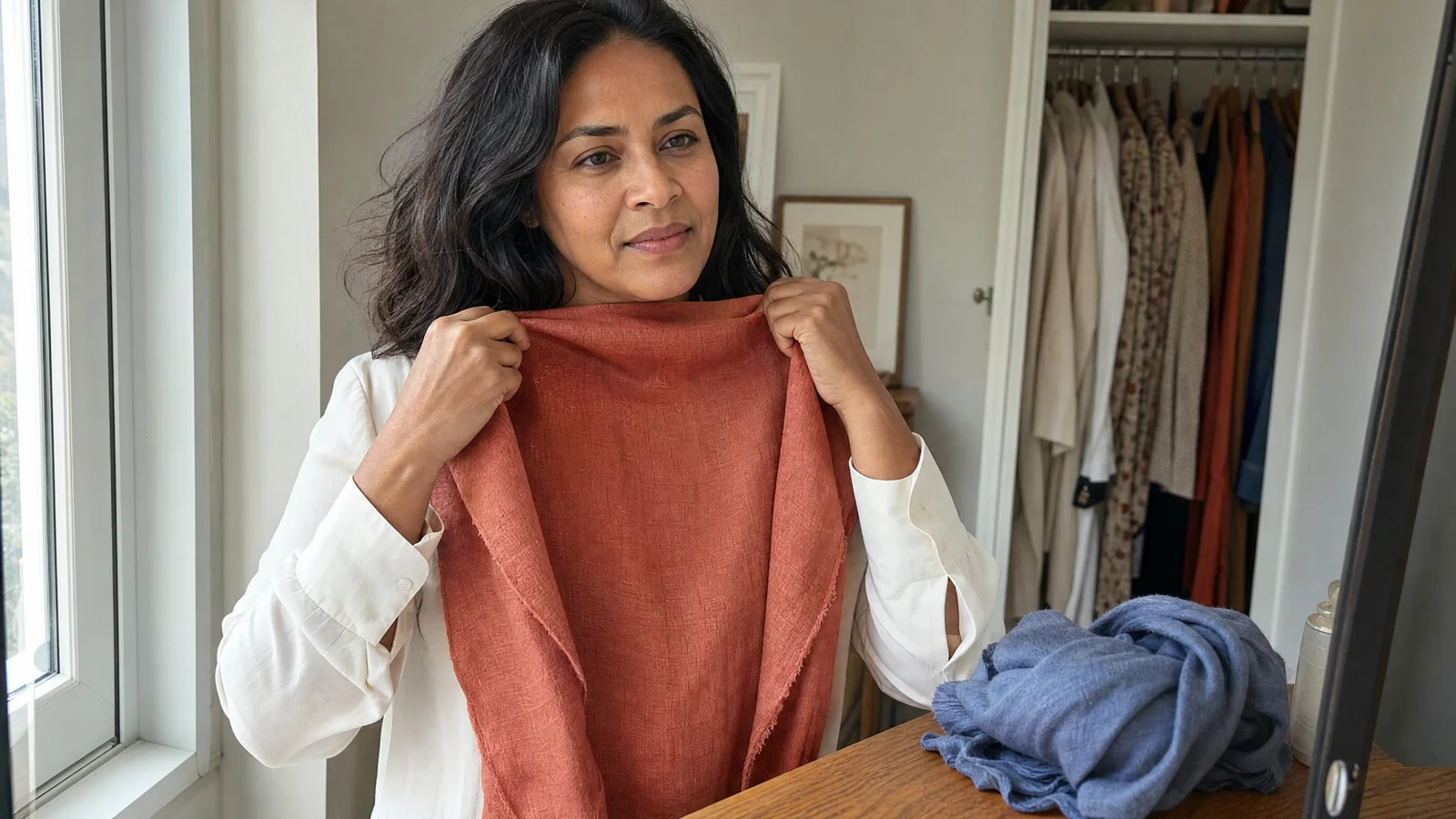
Avoid direct sun and colored lamps.Look at your face.
Keep the mirror and your position still.Swap one thing.
Try the next fabric in the same place.
- Find two tops or fabric pieces close to
#6E6B3Eand#6B8E23. - Stand at a window in daylight and remove any strong makeup near the skin you are judging.
- Hold the Soft Autumn Olive under your face. Look at your skin instead of deciding which fabric you like.
- Swap to the True Autumn Olive without changing your place or distance from the window.
- Choose Soft Autumn if your face looks more even beside the grayer Olive. Choose True Autumn if your face looks clearer beside the fuller green, then use that result before buying either palette.
Olive changes a lot under a warm bulb, so judge this one in daylight only. Leave both pieces by the window and compare them again tomorrow before you buy for either palette.
Open the full palette reference
A few more answers
Why does chroma decide?
Soft Autumn came back only from muted coloring. True Autumn appeared only at balanced chroma. Balanced here means the coloring does not read strongly muted or especially clear.
Can contrast tell Soft Autumn from True Autumn?
No. Contrast means how far apart your hair and skin sit in lightness. Low contrast can reach either season. The same is true of medium or high contrast.
How can I test the two Olives at home?
Find two pieces close to Soft Autumn Olive #6E6B3E and True Autumn Olive #6B8E23. Hold each under your face at a window in daylight and watch your skin rather than the cloth.