Stef'sCloset Log in

Warm undertone: what it means, and what to wear

A warm undertone means there is gold or peach under your skin. It is not about being fair or deep, and it does not change with the season.

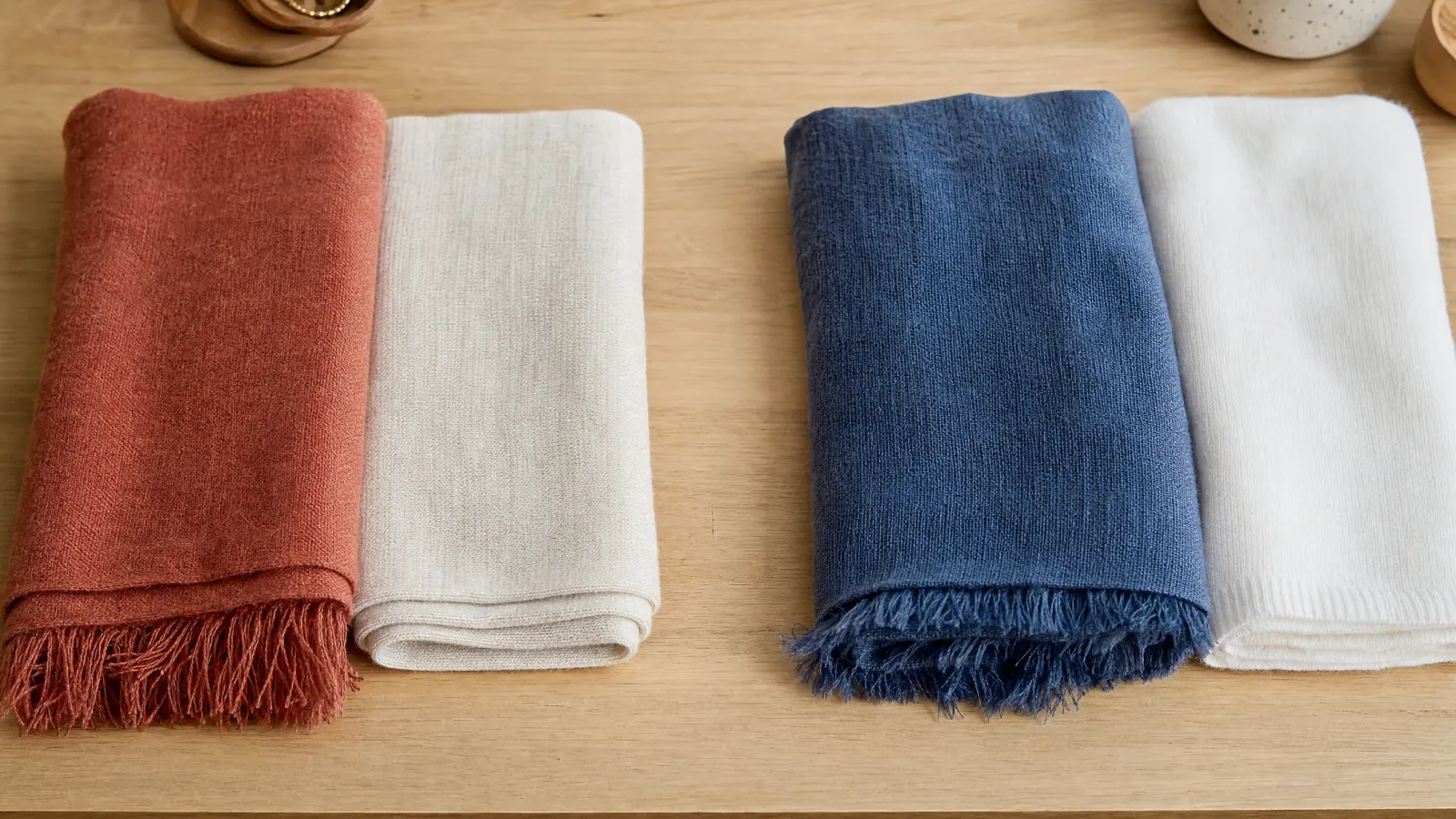
In practice this is what it costs you and what it buys you: optic white, icy pink and cold grey are the hardest things to wear near your face, and cream, camel, warm reds and anything with yellow in it are the easiest. Gold metal reads better on you than bright silver.

Take it again

The hair you wear most

The color next to your face now, not the one you were born with.

Your eyes

Whichever one you would name out loud is the right answer.

Gold or silver, held next to your face

Which one makes your face look brighter?

Your answers are not saved anywhere, and they never appear in a web address. The page you land on names your result, and that result is the only thing we count.

What your answer means

Warm means your skin has gold or peach in it. Cream, camel and warm reds sit against it easily, and stark optic white tends to look hard. More on a warm undertone.

Cool means your skin has pink or blue in it. Soft white, grey and blue-based pinks look clean on you, and mustard or orange next to your face is the hardest thing to wear. More on a cool undertone.

Neutral means neither one wins, which is a real answer rather than a failure to decide. You get more range than most people and less certainty, so depth and clarity do more of the work for you. More on a neutral undertone.

Why the vein test keeps getting this wrong

The vein test asks you to look at the inside of your wrist and call the veins blue or green. The trouble is that the color you see there is mostly an effect of the light rather than a fact about you. Veins carry dark red blood; they look blue or green because skin scatters the shorter wavelengths back at you before the longer ones reach the vein and return.

So how blue or green a vein looks shifts with how deep it sits, how thick and how pale the skin above it is, and what light you are standing in. The same wrist reads blue by a window and green under a warm bulb. It fails hardest on medium and deep skin, where the veins are simply harder to see at all, and that is where you will find the most people who came away from the test unsure. Hair, eyes and how a metal reads against your face are steadier signals, which is what the three questions above use.

What this test does not settle

Warmth is one axis of three. Depth is how light or dark your coloring is overall, and clarity is how bright or blended it looks, and those two are what decide which warm colors or which cool ones are yours. The free color analysis asks five questions instead of three and gives you your season and the colors that go with it.

Questions people ask

Can my undertone change?
No. A tan changes how deep your skin looks, not how warm it is underneath, and it fades. Your undertone is the part of your coloring that stays where it is.
Is undertone the same as skin tone?
No. Skin tone is how light or deep your skin is, which anyone can see at a glance. Undertone is the warmth underneath it, and a very fair person and a very deep one can share the same one.
What if I get neutral?
It means neither side wins, which is a real answer. You have more range than most people, and how light or bright your coloring is decides more for you than warmth does.